

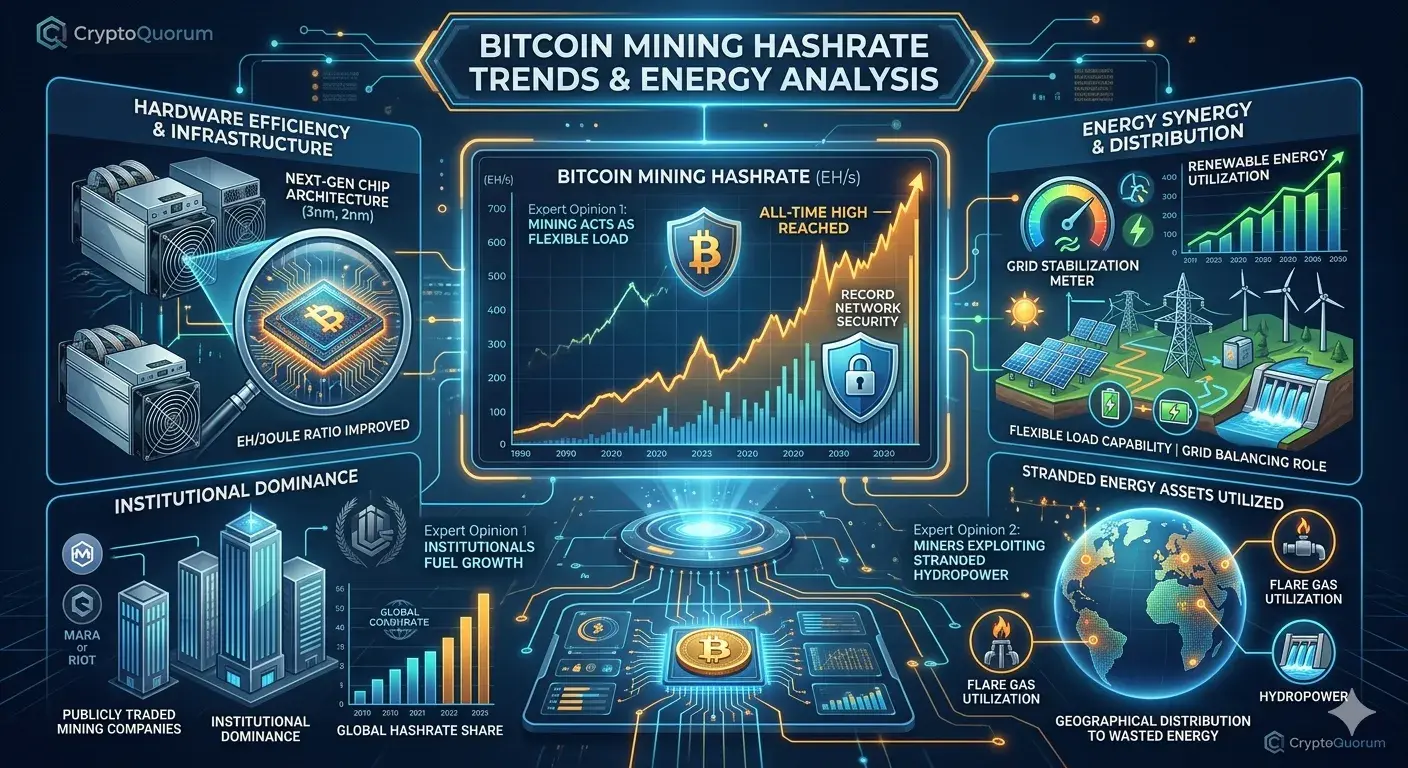
As we move through the first quarter of 2026, the global digital asset landscape is witnessing a historic surge in network resilience. Recent data indicates that the Bitcoin Mining Hashrate has reached unprecedented levels, reflecting a massive influx of high-efficiency hardware and institutional-grade infrastructure. This growth signals a maturing market where security and energy sustainability are becoming the primary drivers of long-term value.
The Dynamics of Network Security
The steady climb of the Bitcoin Mining Hashrate is a testament to the competition among global miners. As the computational power required to secure the network increases, the cost of a potential 51% attack becomes prohibitively expensive, further cementing Bitcoin’s status as the most secure decentralized ledger in existence.
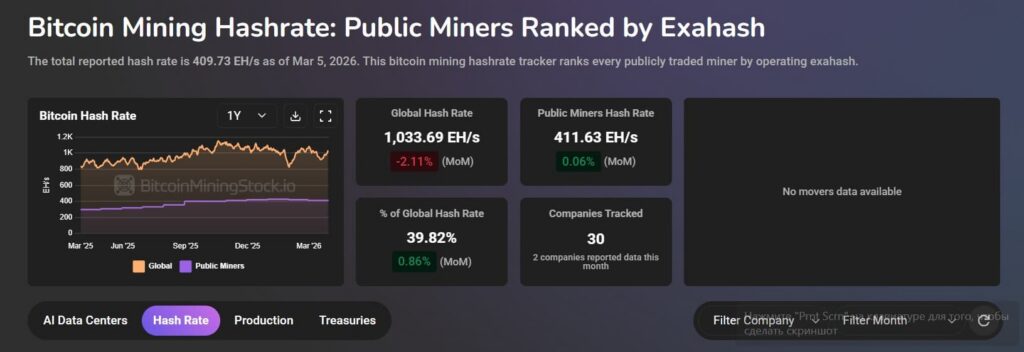
According to latest industry trackers, this increase is not merely a result of more machines, but rather better machines. The transition to 3nm and 2nm chip architectures has allowed firms to maintain a high Bitcoin Mining Hashrate even during periods of fluctuating electricity costs.
Expert Opinions: The Intersection of Mining and Energy
Energy analysts are increasingly viewing crypto-mining as a tool for grid stabilization rather than a burden.
 Strategy Upgrades Bitcoin Credit Dashboards with Advanced Risk, Tax, and Yield Analytics→
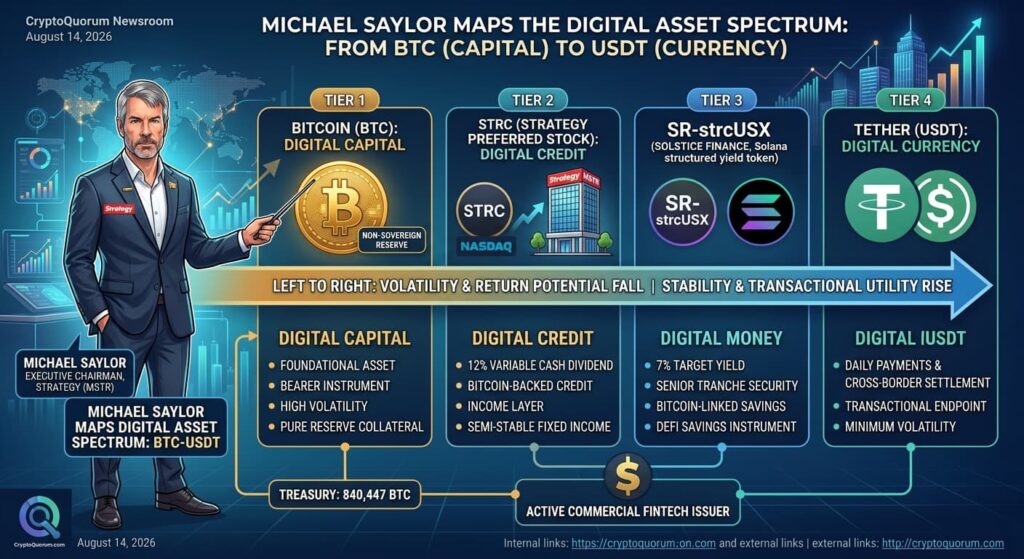 Beyond HODLing: Michael Saylor Unveils Four-Tier Monetary Stack Connecting Bitcoin to USDT→
 Coldcard Hack Triggers $1B Inflow into Bitcoin ETFs as Investors Seek Institutional Custody→
 Quantum Computing Is Not an Immediate Threat to Bitcoin But Nine Institutions Just Pledged $15M to Keep It That Way→
Market Analysts suggest: “We are seeing a paradigm shift where mining firms act as ‘flexible loads.’ By curtailing operations during peak demand, these facilities help prevent blackouts while utilizing excess renewable energy during off-peak hours.”
Technical Experts note: “The growth in the Bitcoin Mining Hashrate is no longer just about raw power; it is about geographical distribution. Miners are moving to regions with stranded energy assets—such as flared natural gas or isolated hydroelectric plants—turning wasted energy into digital value.”
Public Mining Stocks and Market Sentiment
The performance of the Bitcoin Mining Hashrate is now a key metric for equity investors. Publicly traded firms like Marathon Digital and Riot Platforms are frequently evaluated based on their “Exahash per Second” (EH/s) capacity. As these companies expand their fleets, the concentration of the Bitcoin Mining Hashrate within regulated, transparent entities provides a level of market predictability that was absent in the early years of the industry.
However, the “difficulty adjustment” remains the ultimate balancer. As more miners join the race and the Bitcoin Mining Hashrate rises, the network automatically adjusts its difficulty, ensuring that the issuance of new coins remains constant regardless of the total power applied.
Is your portfolio prepared for the next difficulty adjustment? Sign up for the CryptoQuorum newsletter to receive weekly deep dives into the mechanics of the Bitcoin network.